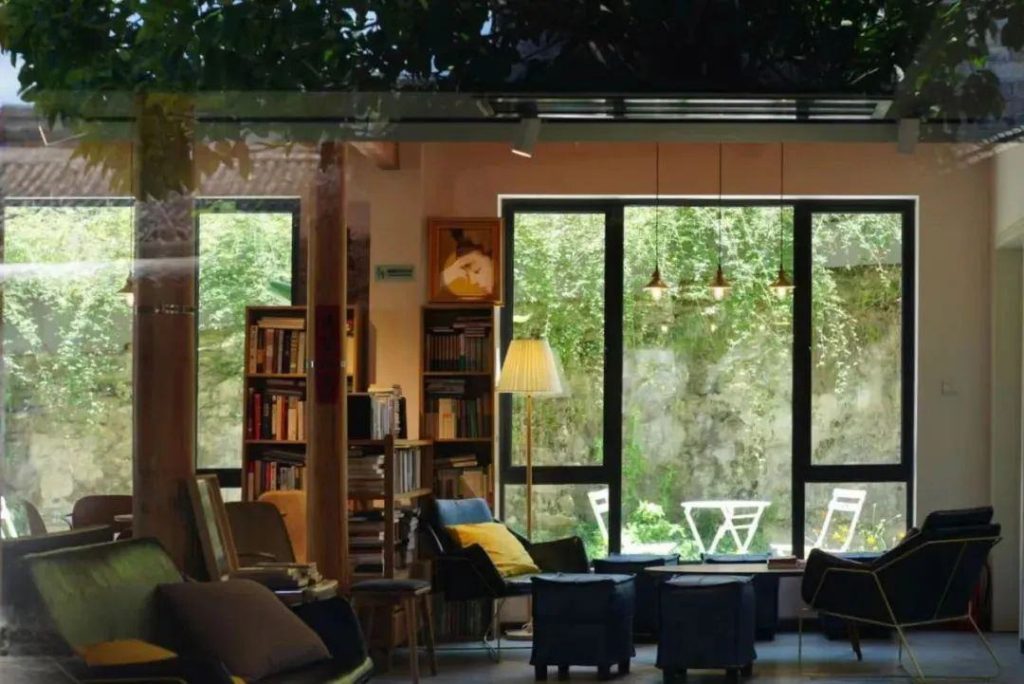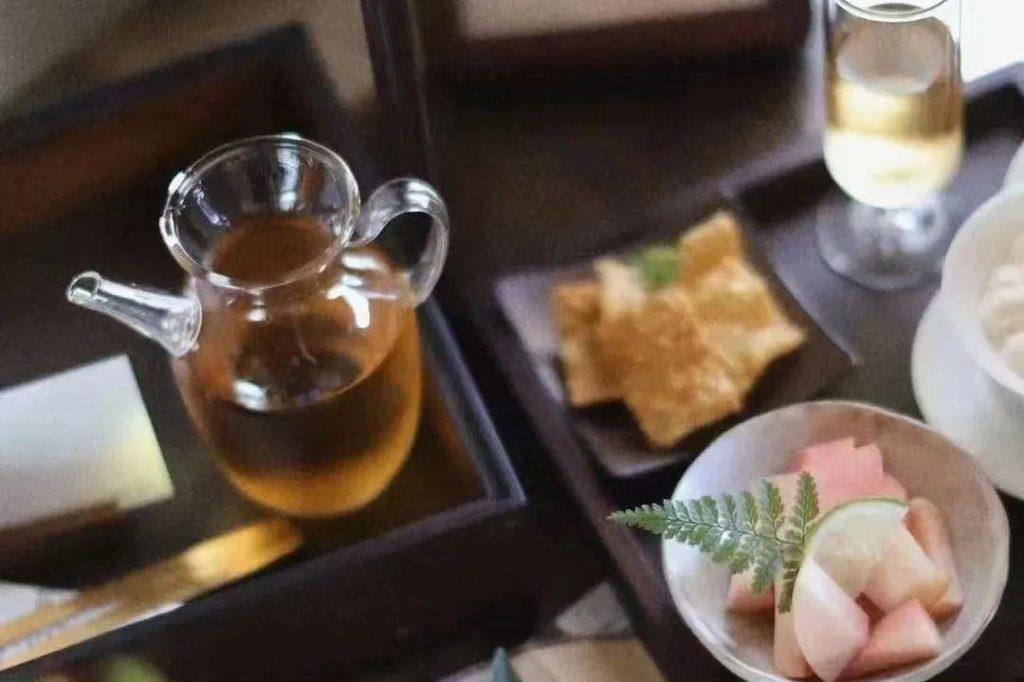
Linhai East lake, Greatwall, Old street and Local food tour
Leg1: East Lake (Meandering for one hour around)
Introduction
Dears, welcome to the beautiful Linhai East Lake, also known as Donghu Park. Today, we’ll explore this charming classical garden that blends natural beauty with rich history. Linhai East Lake is located east of the ancient Linhai Greatwall, Zhejiang Province. It’s often called the “Little West Lake” of Taizhou. The famous Qing scholar Yu Yue once praised it: “Hangzhou has West Lake, Taizhou has East Lake — the beauty of East Lake is that of a Little West Lake.”
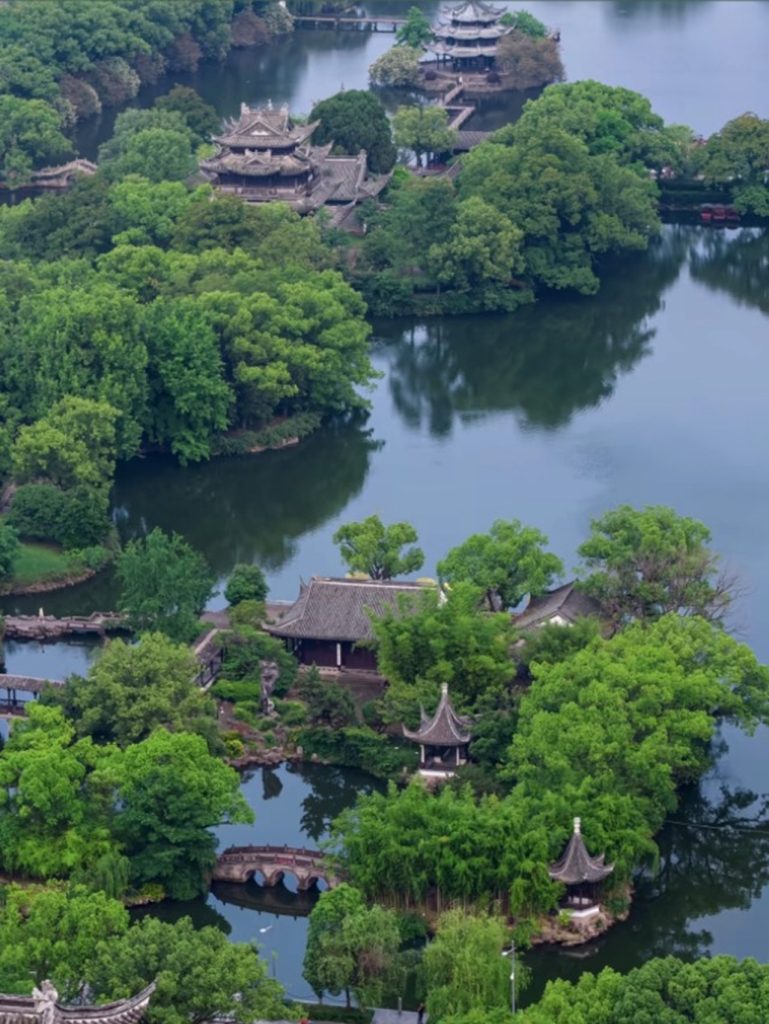
The lake was originally a confluence of streams. In the Northern Song Dynasty (around 1071 AD), Prefect Qian Xuan dredged and expanded it to control flooding, turning it into a scenic garden. It has been renovated over the centuries, especially in the Qing Dynasty, and is now part of the national 5A Taizhou ancient city tourism zone.
The park covers roughly 18.7 hectares, with the lake itself around 500m north-south and 150m east-west. It’s divided into front lake, mid-lake, and rear lake sections, featuring classic Jiangnan garden elements: pavilions, bridges, islets, and lush greenery.
Main Attractions & Route (Suggested walking route: South entrance → East Lake area → Mid-lake → Rear lake → North exit near the city wall) Start at the southeast entrance, Yishui Villa — named after Du Fu’s poem “Famous gardens lean on green waters.” This area includes the Rongxing Hall, a Qing-era ancestral hall of the prefect’s Qian family. It displays cultural exhibits and ties into local history.
Nearby is the East Lake Stele Forest on Xiaoyingzhou islet. It preserves nearly 100 historical inscriptions, including provincial protected items like the Portrait Stele of Tan Lun and the Meritorious Service Stele of Qi Jiguang (a Ming Dynasty anti-pirate hero). Xiaoyingzhou once hosted the Shangcai Academy, where Zhu Xi reportedly inscribed a plaque.
Move toward the center: Cross the elegant Nine-Bend Bridge (built in the Qing Dynasty by Prefect Liu Ao) to reach the iconic Mid-Lake Pavilion. This three-story pavilion with flying eaves is the park’s landmark. Enjoy couplets like “Clouds and mountains on all sides, heaven and earth above; one pavilion of breeze and moonlight at the water’s heart.” It offers panoramic views of the lake, pavilions, and distant city walls.
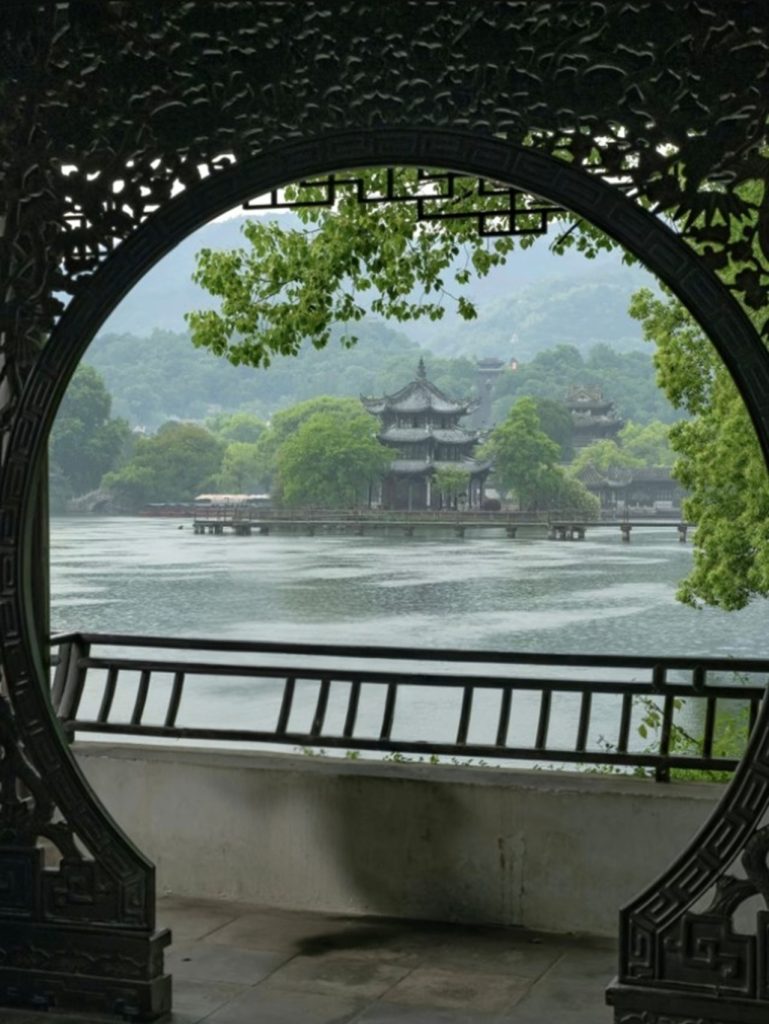
To the east of the bridge stands the Bangou Pavilion — a hexagonal pavilion on stone pillars in the water, named from Bai Juyi’s line about being “half detained” by West Lake’s beauty.
Don’t miss the Qiaoyun Pavilion, a tall four-story tower in the rear lake area. Its name evokes “reaching the clouds like a woodcutter.” The rear lake also features Fengyuan Pavilion, Qishui Garden, and Xiaojian Lake, creating serene, layered garden scenes with bridges connecting islets.
Cultural Highlights
- Connection to famous figures: Ties to Tang poet Luo Binwang (with a memorial shrine here), Song Prefect Qian Xuan, and Ming generals who fought Japanese pirates.
- Historically famous for lotuses (“ten qing of wind-blown lotuses drunk on each other’s support”).
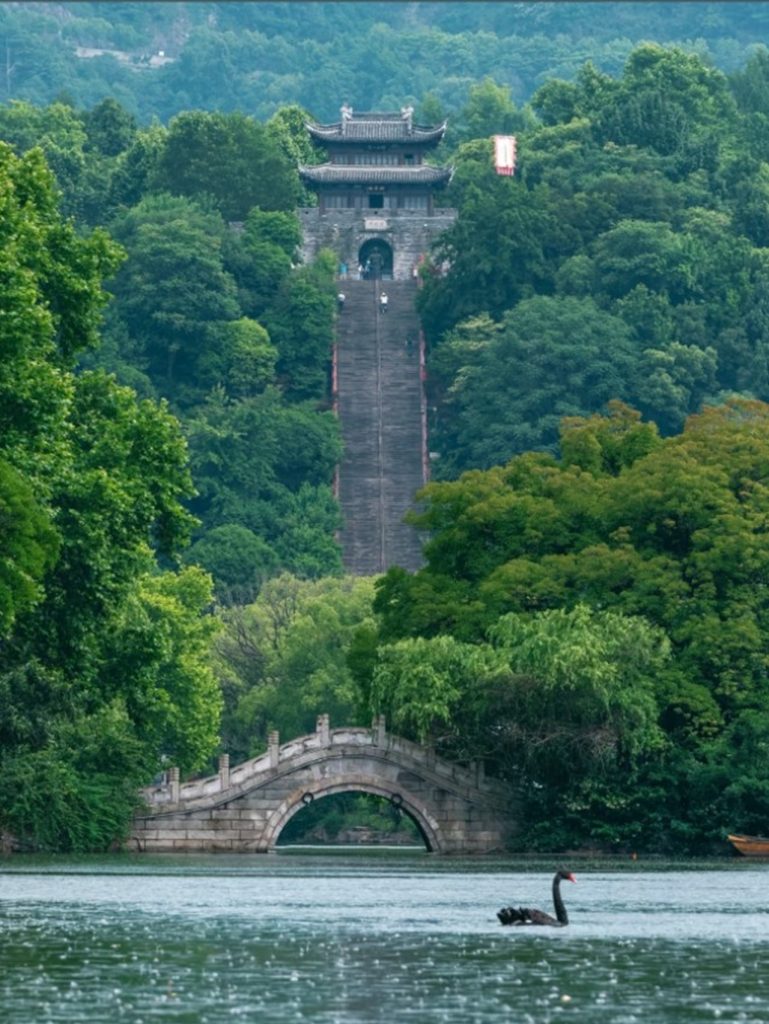
- The park harmonizes with the ancient city wall and Jiangnan Great Wall (Southern Great Wall) nearby — a perfect spot for photos combining nature and ancient defenses.
Practical Tips
- Best time: Spring for flowers/greenery or summer for lotuses; early morning or evening for fewer crowds and nicer light.
- Opening hours: Generally 7:00–17:00. Since 1st Jan. 2026 is ticket free.
- Duration: 1–2 hours for a relaxed walk. Wear comfortable shoes; paths are mostly flat.
- Nearby: Combine with Ziyang Ancient Street, the city wall, or Linhai Museum for a full ancient city experience.
Ladies and gentlemen, as we stroll along the winding paths, across graceful bridges, and amid pavilions reflected in clear waters, I hope you feel the poetic charm of this thousand-year-old garden. Linhai East Lake perfectly showcases Jiangnan’s elegance — serene, cultured, and timeless. Thank you for joining me today! Any questions?
Feel free to take photos, enjoy the scenery, and I’m here if you need anything. Safe travels, and I wish you a wonderful stay in Linhai!
Leg 2: The jiangnan Greatwall
Introduction
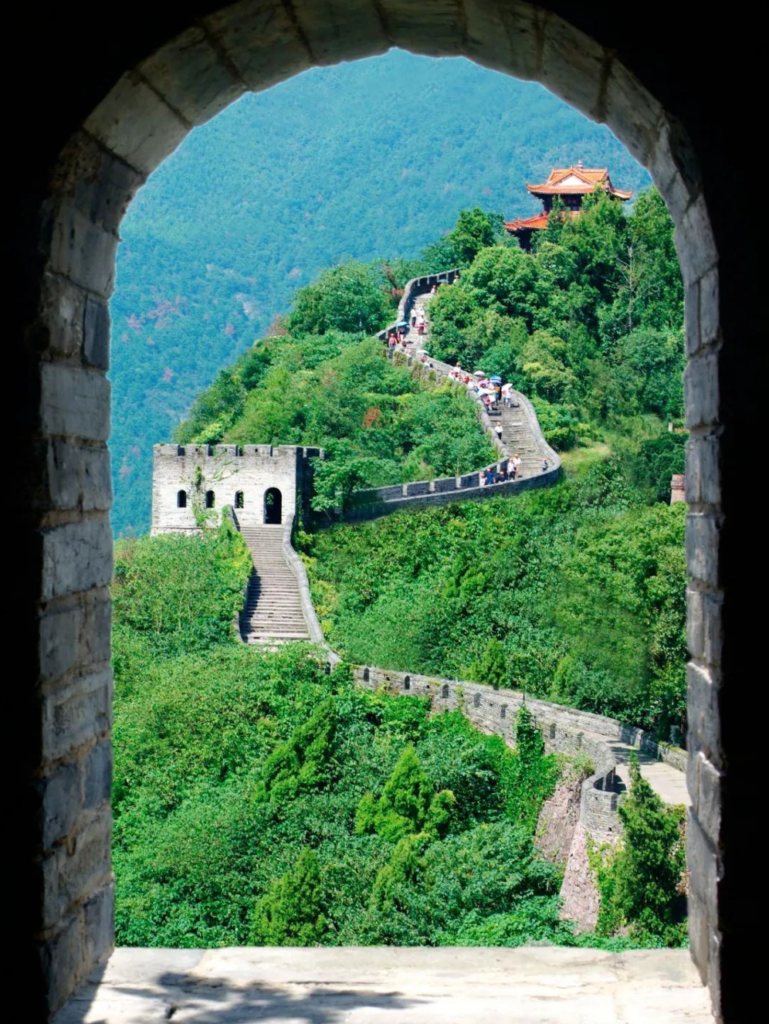
Dears, welcome to Linhai, the ancient city with a thousand-year history. Today, we’re exploring the magnificent Jiangnan Greatwall, also known as the Southern Greatwall or Taizhou Prefectural City Wall. Unlike the more famous Beijing Greatwall, this greatwall here is a rare, well-preserved southern city wall that combines military defense with flood control. It has been called the “Badaling of Jiangnan” and even served as a model (source or inspiration) for some Ming Dynasty northern wall features, particularly the hollow watchtowers.
History
Construction began in the Eastern Jin Dynasty (around 402 AD, Yuanxing 1st year) under Governor Xin Jing to defend against rebellions. It was expanded in the Tang Dynasty (621 AD). The wall stretches about 6 km in total (with over 5 km still existing today). It follows the natural terrain along the Ling River (灵江), Beigu Mountain, and other features. Major repairs occurred in the Song, Ming, and Qing dynasties. In the Ming era, famous generals Qi Jiguang and Tan Lun strengthened it during anti-Japanese pirate campaigns, building innovative two-story hollow enemy towers. These designs influenced northern walls when the generals were later transferred north. The wall protected against both invaders and frequent floods from the Ling River.
It is a national key cultural relics protection unit (2001) and part of China’s World Cultural Heritage tentative list. Together with East Lake and the ancient city, it forms the national 5A Taizhou ancient city tourism zone.
Key Features & Route
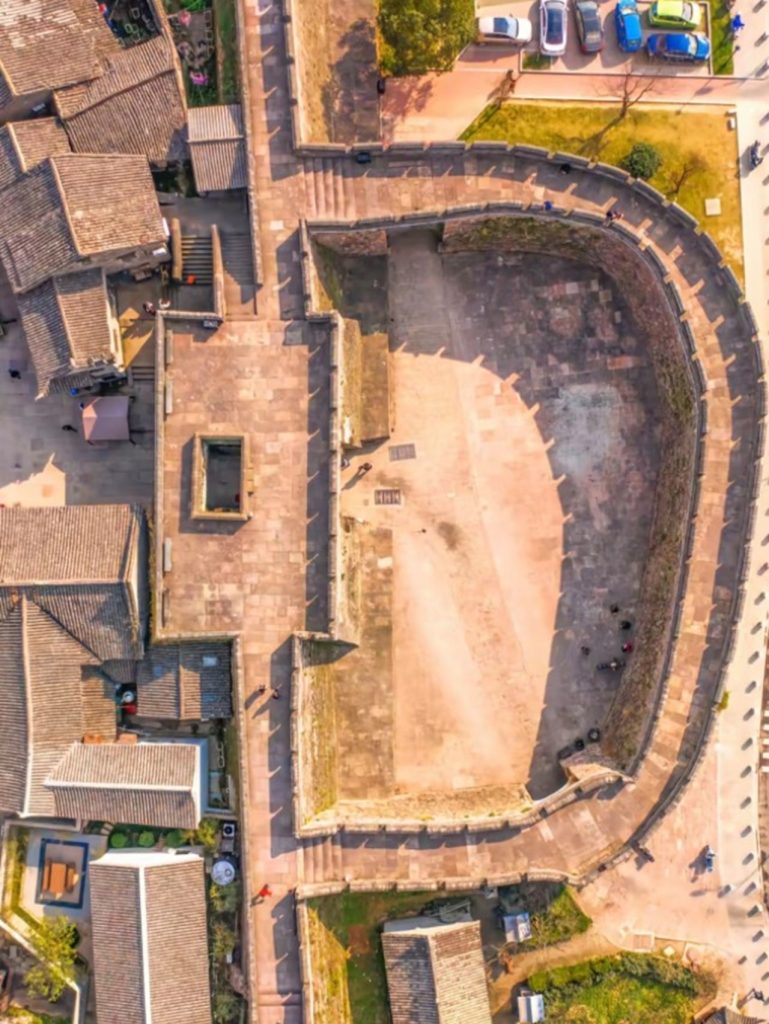
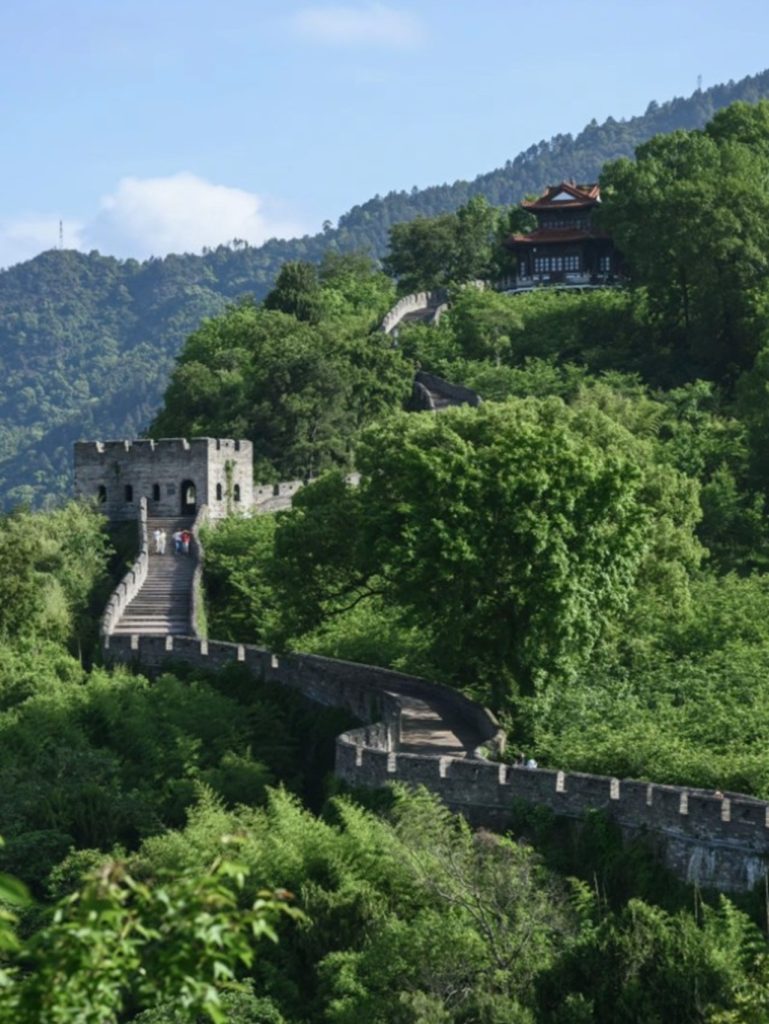
(Common route: Lansheng Gate entrance → uphill → viewpoints) We start at Lansheng Gate, one of the main entrances. Look at the majestic stone archway inscribed with “雄镇东南” (Majestically Guarding the Southeast). Climb the “Hero Slope” with its 198 steep steps — a great warm-up! At the top, Gujing Tower offers stunning views over East Lake, pavilions, and the green cityscape.
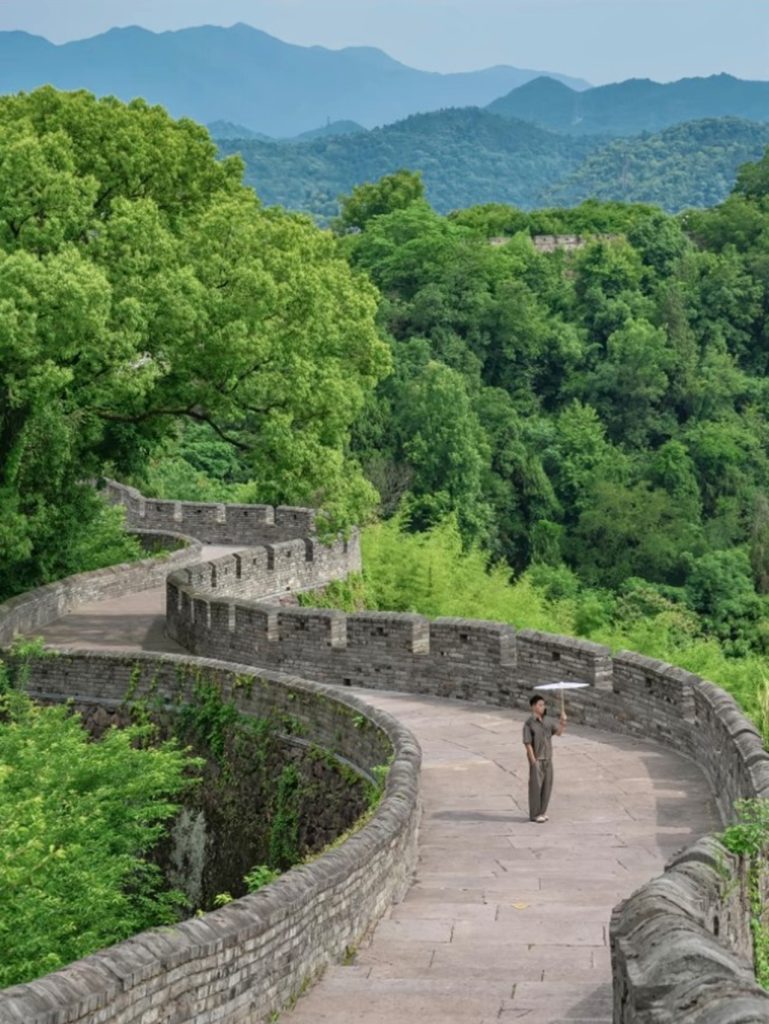
Continue along the wall:
- Baiyun Tower: Panoramic views of old and new Linhai — ancient streets below, modern buildings in the distance.
- Wangtian Terrace and Yanxia Pavilion: Excellent spots for photos of the winding wall snaking along mountain ridges.
- Hollow Enemy Towers: Unique Ming-era structures with two levels — upper for observation, lower for soldiers. There were originally 13.
- Wengcheng (Barbican): Defensive enclosures outside gates, a clever trap for enemies.
- The northern section is the steepest and most impressive, overlooking the Ling River.
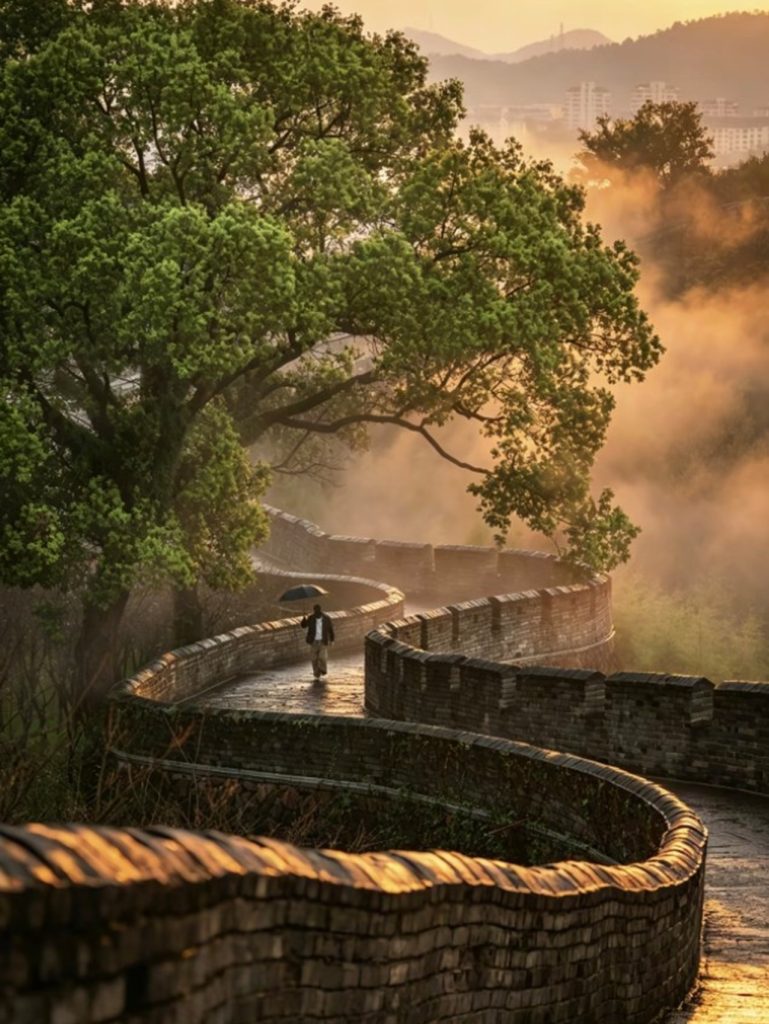
The wall integrates with the landscape — lush trees, river views, and city rooftops create a unique Jiangnan charm: majestic yet graceful, unlike the harsher northern walls.Cultural & Fun Facts
- Dual purpose: Defense against pirates (Qi Jiguang’s famous nine victories) + flood barrier. About one-third runs along the river.
- Architecture: Brick and stone outer layers over rammed earth; battlements, arrow slits, and beacon towers.
- Nearby synergy: Perfect to combine with East Lake (just east of the wall) and Ziyang Ancient Street for a full ancient city experience.
- Annual events like the Jiangnan Great Wall Festival feature local food and culture.
Practical Tips
- Tickets: Around 55–60 RMB and hours typically 7:00–17:30.
- Best time: Morning for cooler weather and clearer views; wear comfortable shoes for steps and slopes.
- Duration: 1–2 hours for the main section.
- Transport: Bus 209 to Lansheng Gate.
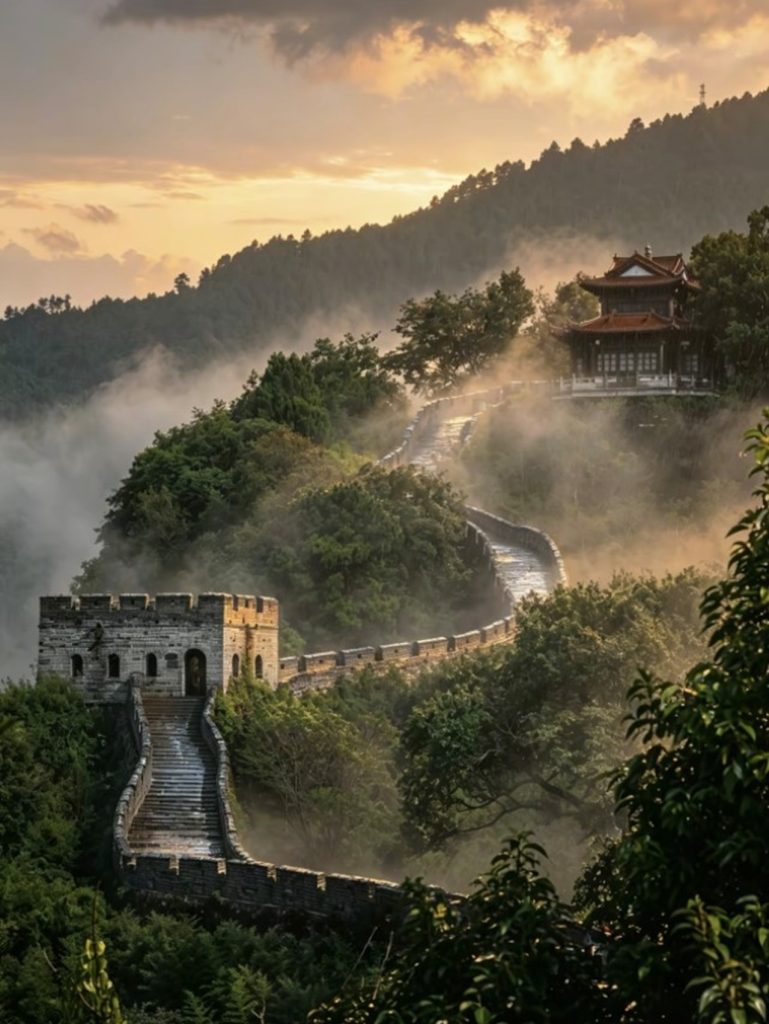
Ladies and gentlemen, as we walk this ancient dragon-like wall, feel the weight of history — over 1,600 years of resilience, ingenuity, and protection for the people of Linhai. It’s not just stone and bricks; it’s a living testament to Chinese wisdom in harmonizing with nature for defense and survival.
Thank you for joining me! Take plenty of photos, enjoy the breeze and views, and let me know if you have questions. I hope this visit leaves you with unforgettable memories of the Southern Great Wall. Safe travels, and enjoy the rest of your time in Linhai!
Leg 3: The Ziyang Old Street
Introduction
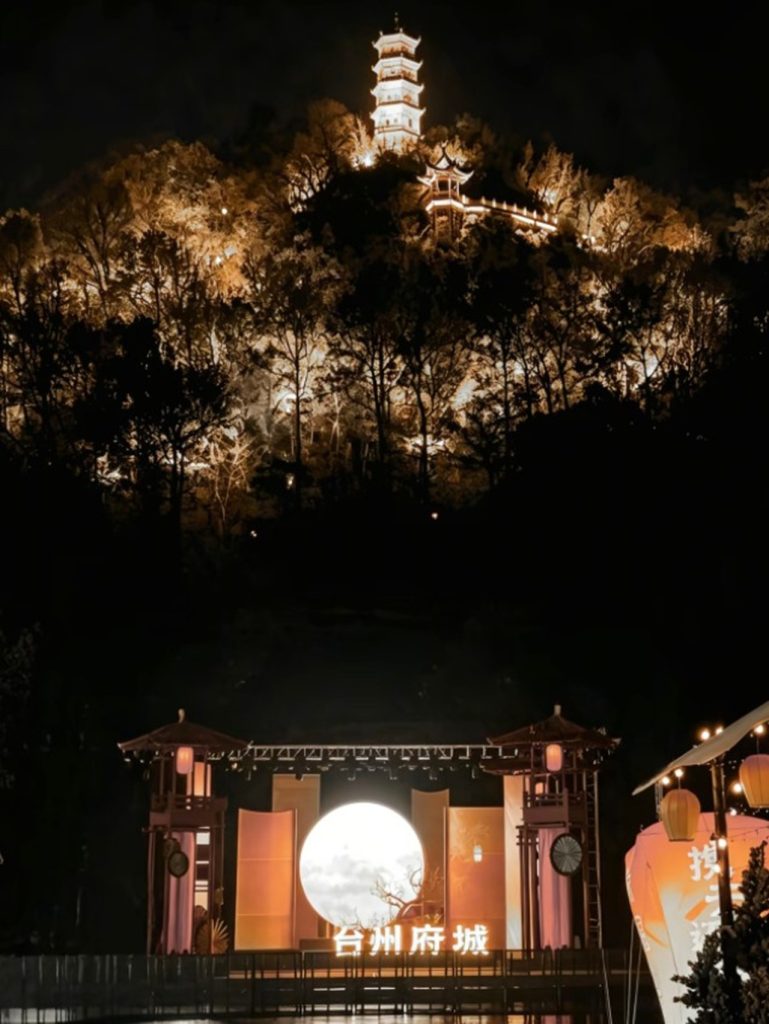
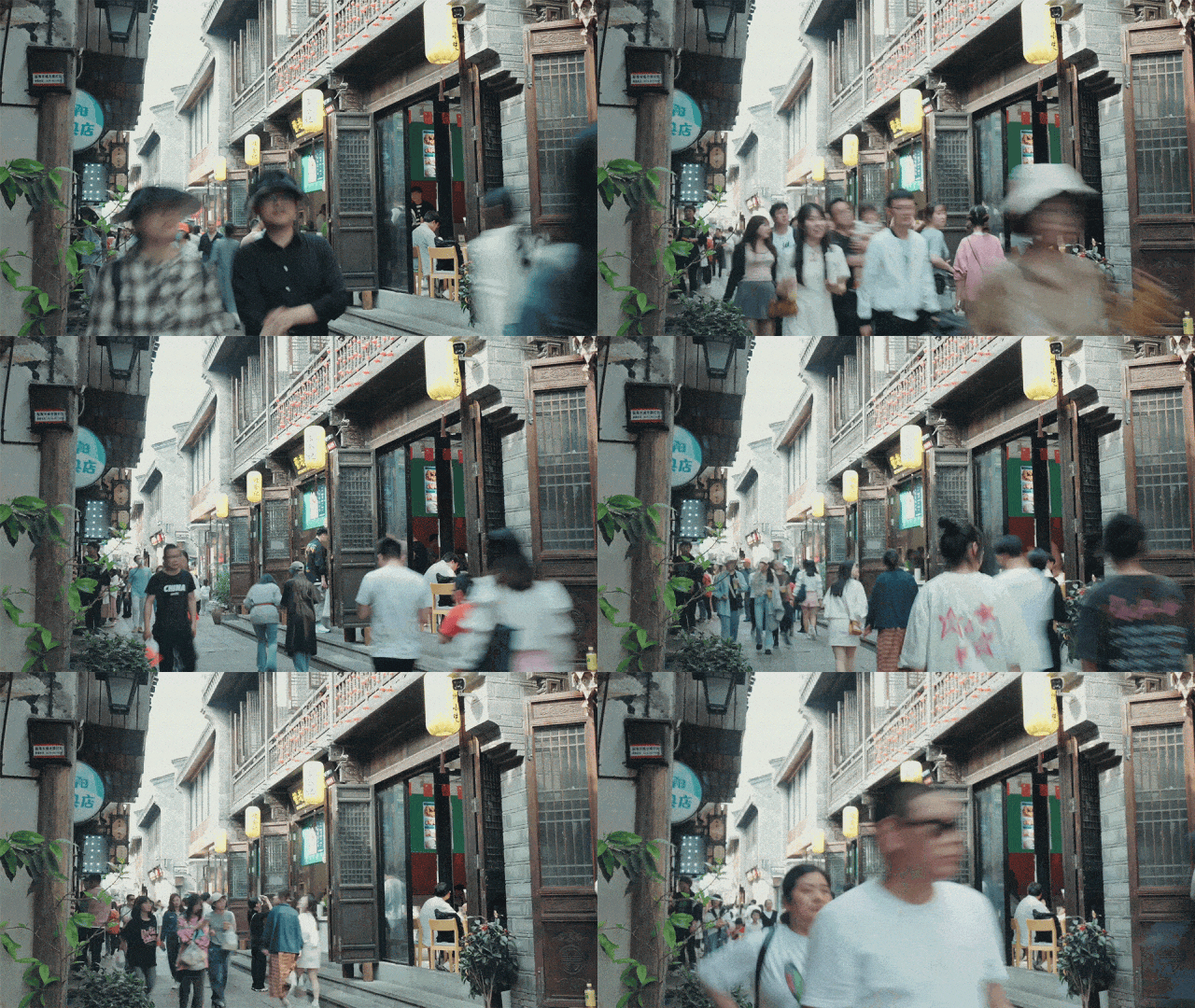
Dears, welcome to the heart of Linhai’s ancient city — Ziyang Old Street (Ziyang Jie). This vibrant 1,080-meter-long historical street is the core of the national 5A Taizhou ancient city tourism zone and one of China’s Famous Historical and Cultural Streets (The second prized old street in Zhejiang after Hangzhou’s Qinghefang in 2012). It was also designated a National Tourist Leisure Street.
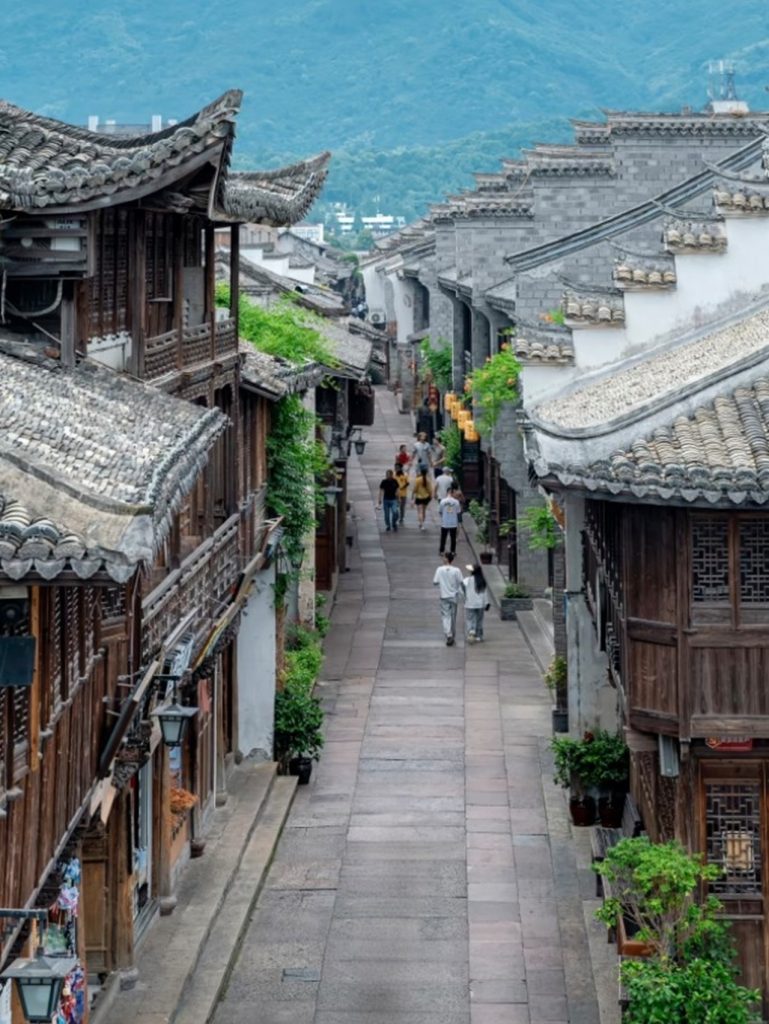
Ziyang Street embodies the living history of this millennium-old city. It retains a Song Dynasty neighborhood layout, with Ming and Qing architecture, traditional shops, and a blend of commerce, culture, and daily life that feels authentic rather than overly commercialized.
Origin of the Name
The street is named after Zhang Boduan, a Northern Song Dynasty Taoist master known as Ziyang Zhenren. Born in Linhai in 983 AD, he founded the Southern School of Taoism (Southern Lineage of Neidan/Internal Alchemy). His key work, Wuzhen Pian (Awakening to Reality), is a classic that integrates Confucianism, Buddhism, and Taoism. He lived in Yingzhu Alley here. The name honors his contributions to Taoist philosophy and health/longevity practices.
History & Layout
The street’s history traces back to the Tang Dynasty and flourished in the Song as a bustling commercial hub thanks to Ling River transport. It runs roughly north-south, from near Lansheng Gate (by the Great Wall) in the north to areas near Jinzi Mountain and the city wall in the south. Key architectural features:
- Blue-brick archways/firewalls: Spaced every hundred meters or so (e.g., Wuzhen Fang, Fengxian Fang, Yingxian Fang, Qinghe Fang, Yongjing Fang). These served as firebreaks, gateways for people and carts, and neighborhood markers — a unique Linhai characteristic.
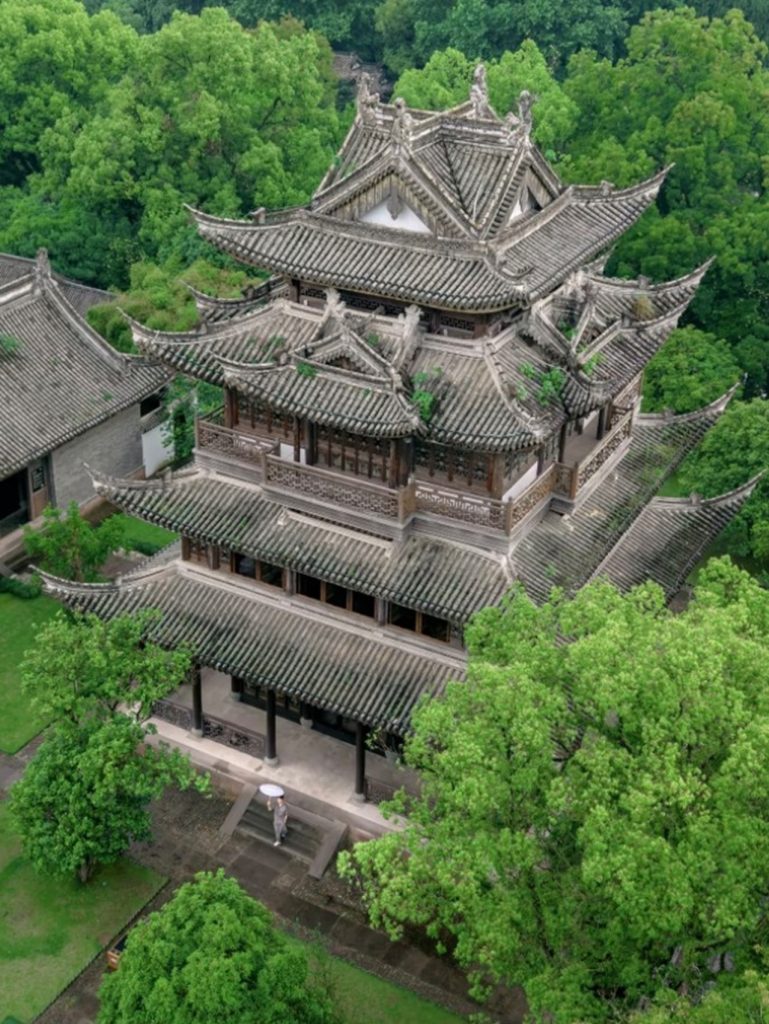
- Traditional Jiangnan buildings: White walls, black tiles, upturned eaves, wooden structures (mostly 2–3 stories) with “three carvings” (wood, brick, stone) featuring intricate motifs. Many follow the “front shop, rear workshop, middle hall, upper residence” layout.
- Ancient wells: Dozens line the street (Ming/Qing and Republican eras). Notable ones include Ziyang Well and Qianfo Well (Shuangyan Well). They provided water, fire protection, and even cooling for watermelons in summer!
Must-See Highlights
- Ziyang Bridge, Ziyang Archway, and Former Residence/Site of Ziyang Palace: Commemorating the Taoist master.
- Former residences and historic sites: Including links to notable figures and the Taizhou Prefecture Confucian Temple (nearby, at the northern end).
- Longxing Temple (near southern end): An important Tiantai Buddhist site with ties to Sino-Japanese cultural exchange (monk Saichō studied here).
- Intangible Cultural Heritage: Over 20 items showcased in century-old shops — paper-cutting, straw/weaving crafts (e.g., Linggen grass), traditional medicine, and more.
- Local snacks & shops: Try seaweed cakes, egg white “sheep’s tail,” and other specialties. Browse antique shops, handicrafts, teahouses, and modern cafés blending old and new.
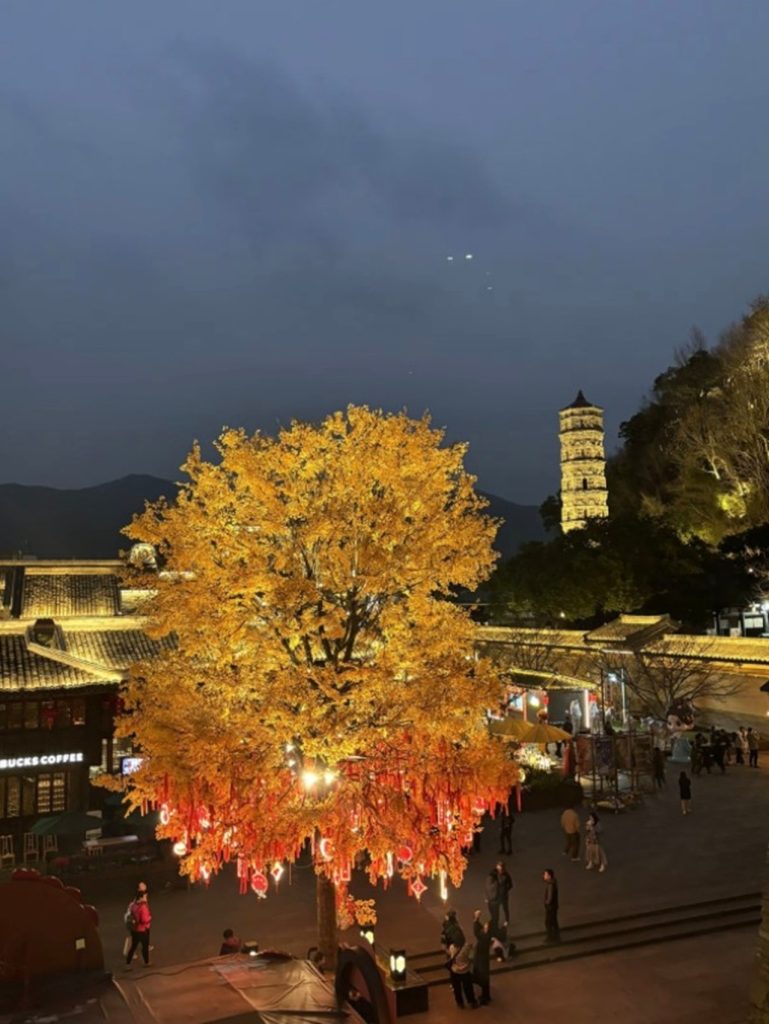
Strolling here feels like stepping back in time, yet it remains a living community with residents, shops, and vibrant atmosphere.Practical Tips
- Free entry, open all day (best explored on foot; 1–2 hours or more if shopping/eating).
- Combine with the nearby Jiangnan Great Wall and East Lake for a perfect half- or full-day ancient city tour.
- Best time: Anytime, but evenings for lights and local life; mornings for fewer crowds. Wear comfortable shoes on the bluestone pavement.
- Respect the heritage — it’s a living street, not just a tourist spot.
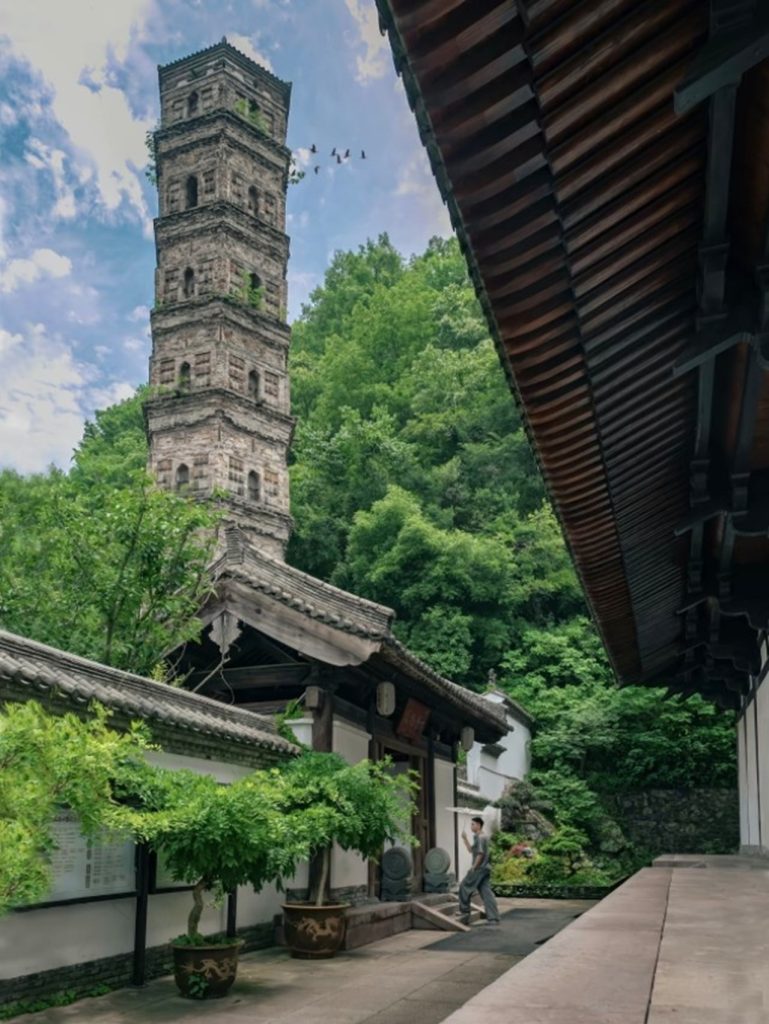
Ladies and gentlemen, as we wander this ancient street lined with time-honored archways, fragrant snacks, and stories of Taoist wisdom and bustling trade, you’ll sense the soul of Linhai: resilient, cultured, and harmonious. Ziyang Street isn’t frozen in the past — it’s a bridge connecting history to everyday life.
Thank you for exploring with me! Feel free to shop, taste local flavors, take photos, or ask questions. I hope this walk brings you joy and a deeper appreciation for China’s living heritage. Enjoy the rest of your time in Linhai!
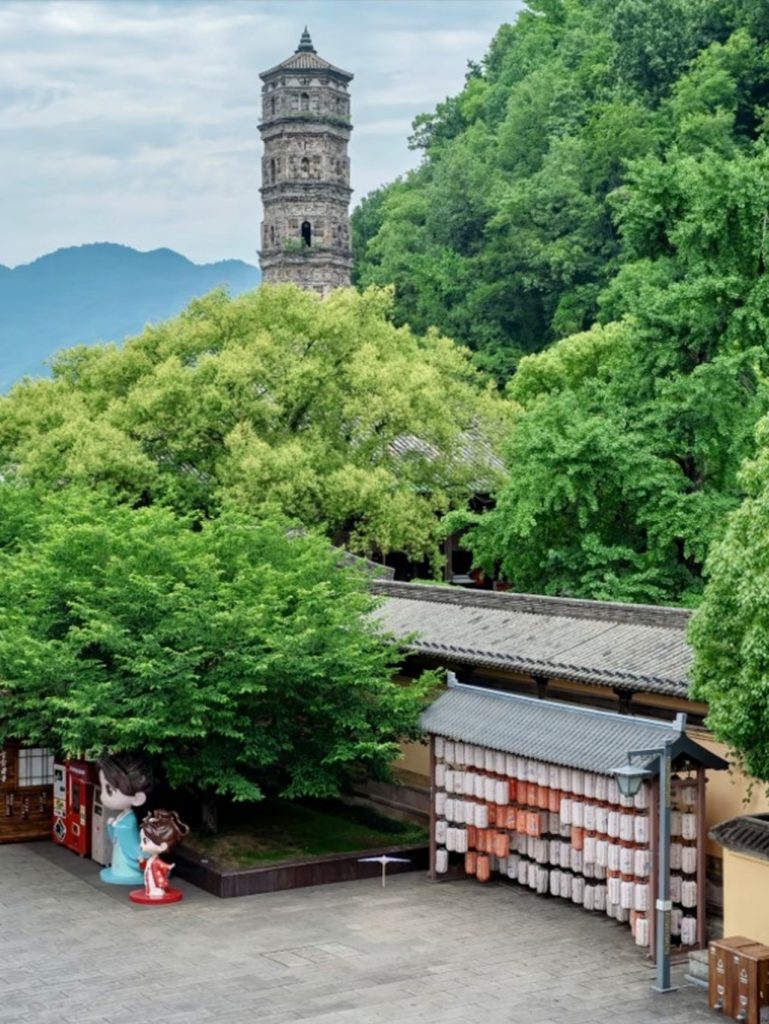
Leg 4: Local snacks & foods
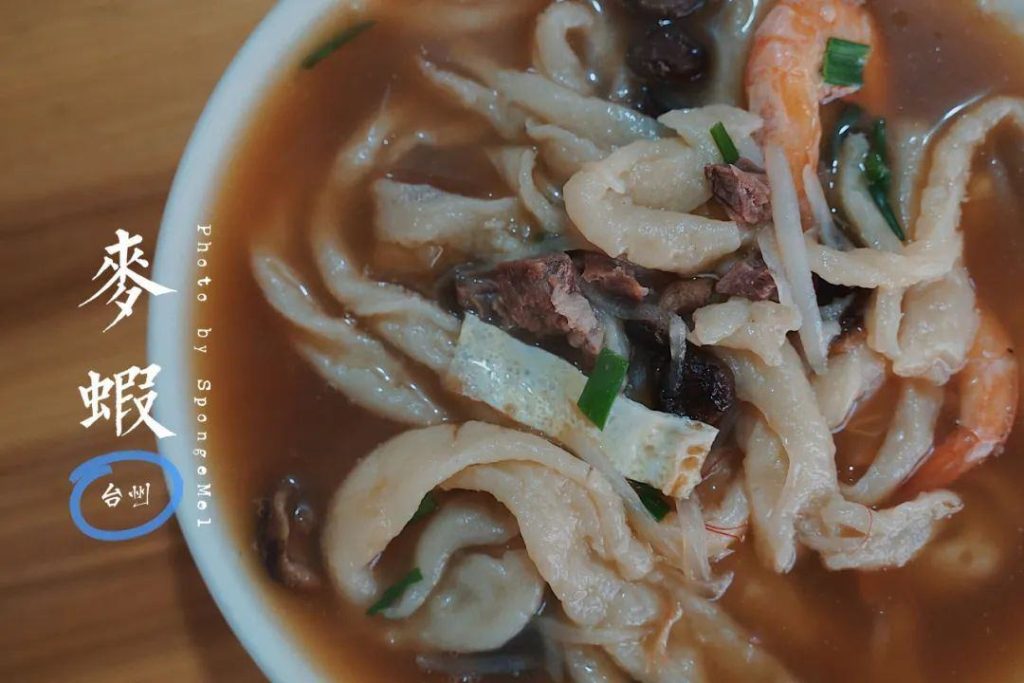
1. Mai Xia (Wheat Shrimp Noodles)A signature Linhai breakfast. Hand-made wheat flour dough is shaped into small, shrimp-like curls (not actual shrimp). Served in a rich, savory broth with toppings like dried shrimp, beef, pork, mushrooms, and greens. Chewy noodles in a flavorful soup — simple yet addictive.
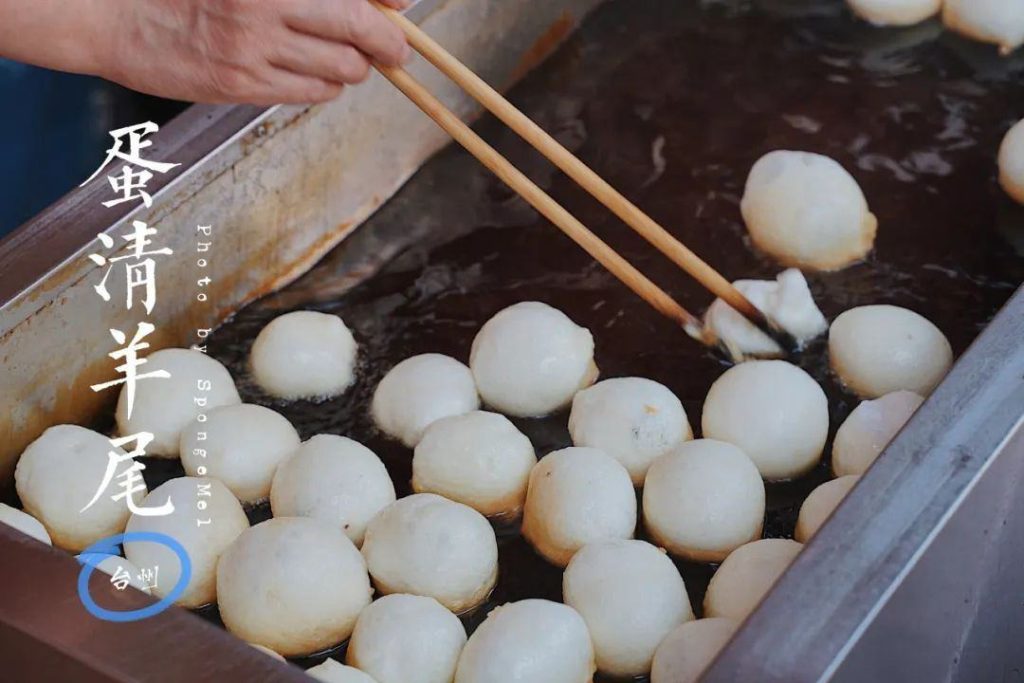
2. Danqing Yangwei (Egg White Sheep’s Tail)A sweet dessert with over 100 years of history. Egg whites are whipped, filled with red bean paste, shaped like a sheep’s tail, and deep-fried until crispy outside and soft inside. Sweet but not greasy — popular at banquets and street stalls, especially in winter or festivals.
3. Zao Geng (Fermented Grain Thick Soup)A comforting, thick soup made with chopped vegetables, meat (or seafood), rice flour, and rice wine lees (vinasse) for a subtle fermented tang. Hearty and warming — a traditional home-style dish often enjoyed in cooler months.
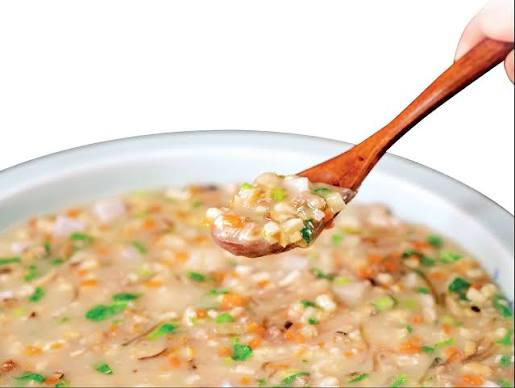
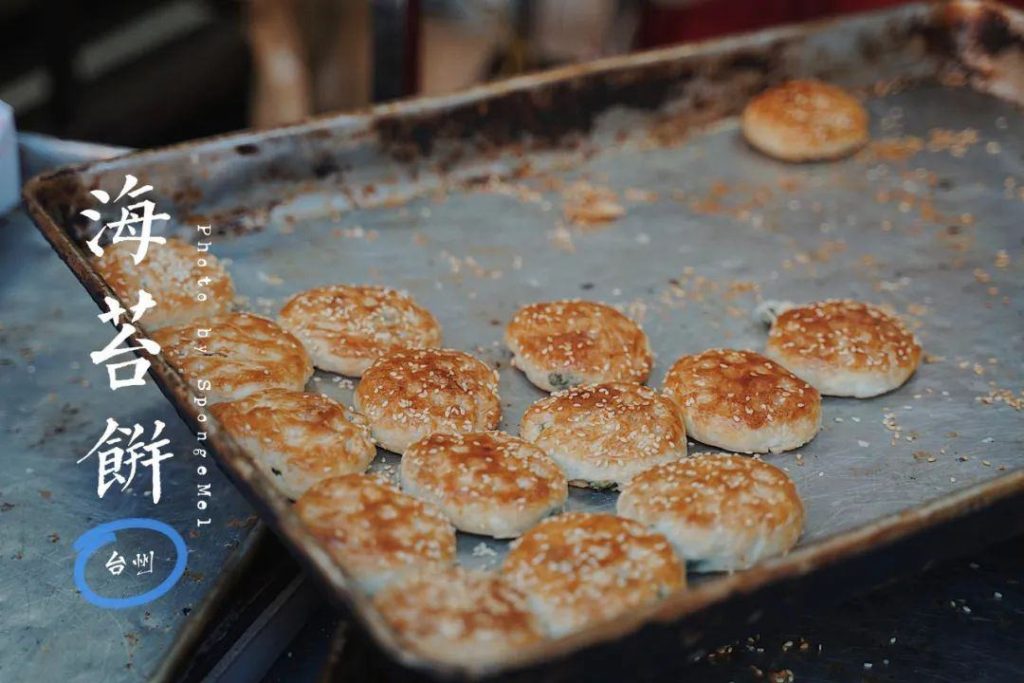
4. Haitai Bing / Zi Yang Jiujiu Seaweed Cakes (Crispy, savory-sweet rice or flour cakes wrapped or flavored with seaweed (laver). A local specialty sold widely on Ziyang Street — crunchy, umami-rich, and great as a snack or souvenir.
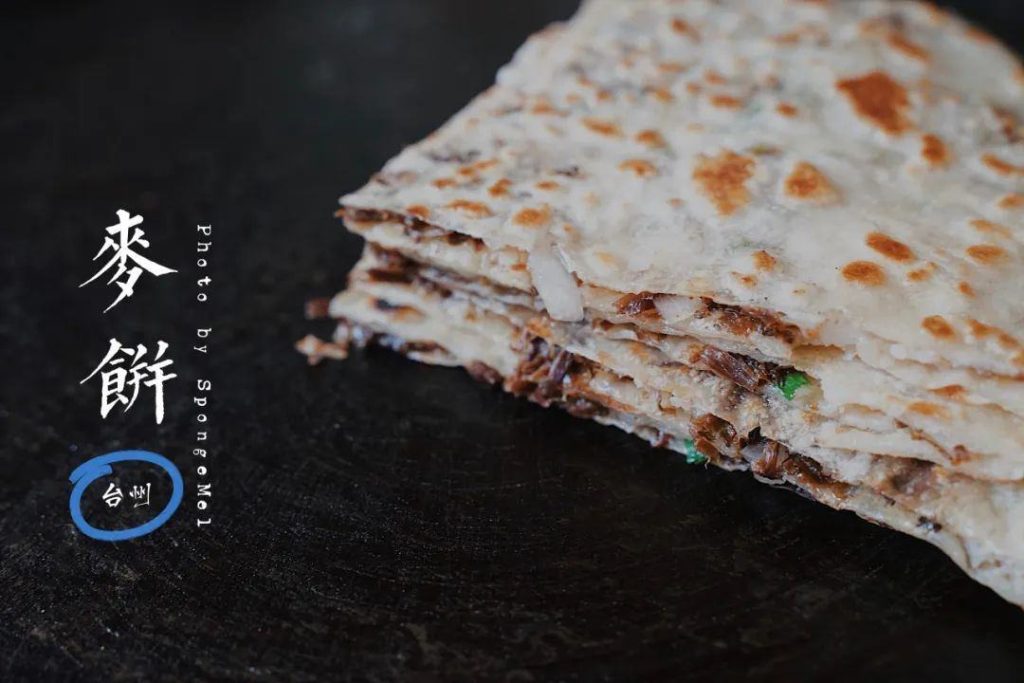
5. Mai Bing (Wheat Pancakes)Flat, pan-fried wheat pancakes, often stuffed with fillings like green onions, pork, or vegetables. Crispy outside, soft inside — a everyday staple and portable snack.Other Notable Mentions
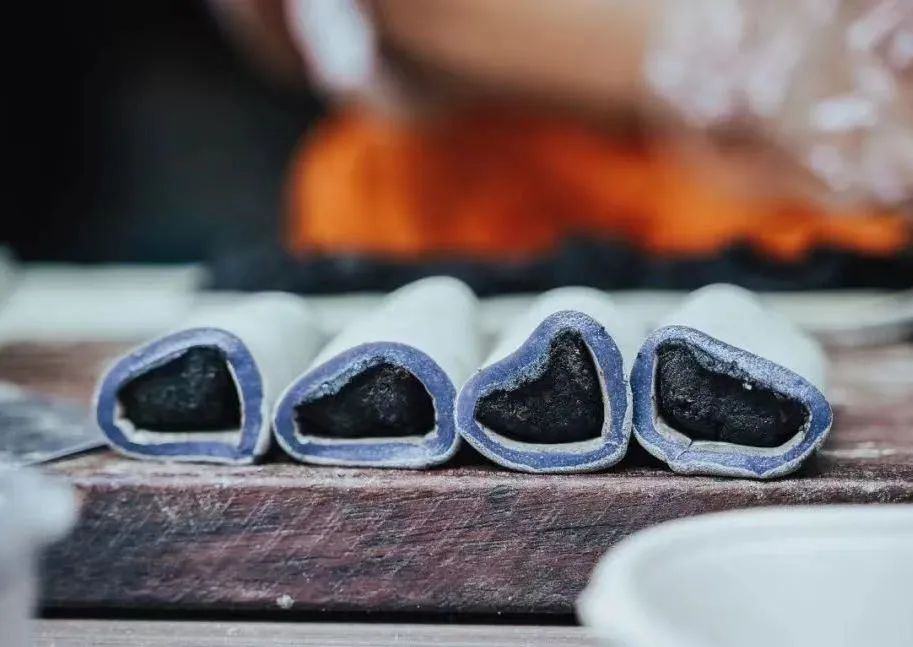
6. Wufan Maci (Black rice rolled red bean paste) Fresh glutinous rice is soaked in the leaf juice, steamed, pounded in a mortar for that signature chewiness, then shaped. Rolled or wrapped with red bean paste, sesame, and osmanthus as filling. Sometimes dusted with pine pollen or served plain/sweet.
And more to discover locally.
These foods are affordable, flavorful, and reflect Linhai’s history as a prefectural city with river and coastal access. Many stalls on Ziyang Old Street let you watch them being made fresh. Try pairing with a walk along the Great Wall or East Lake for the full experience!
Enjoy exploring Linhai’s food scene — it’s a delicious way to taste the local culture! If you’re visiting, start early for breakfast specialties. Let me know if you want recipes or specific restaurant recommendations.