
Tiantai Guoqing buddhist temple and local food tour
Tiantai Guoqing Temple (国清寺) is the ancestral temple of the Tiantai sect of Mahayana Buddhism. Located at the foot of Tiantai Mountain in Tiantai County, Taizhou, Zhejiang Province, it was originally built in 598 CE during the Sui Dynasty. It holds deep historical and religious significance as the cradle of Tiantai Buddhism, with influence extending to Japan (Tendai sect) and Korea.
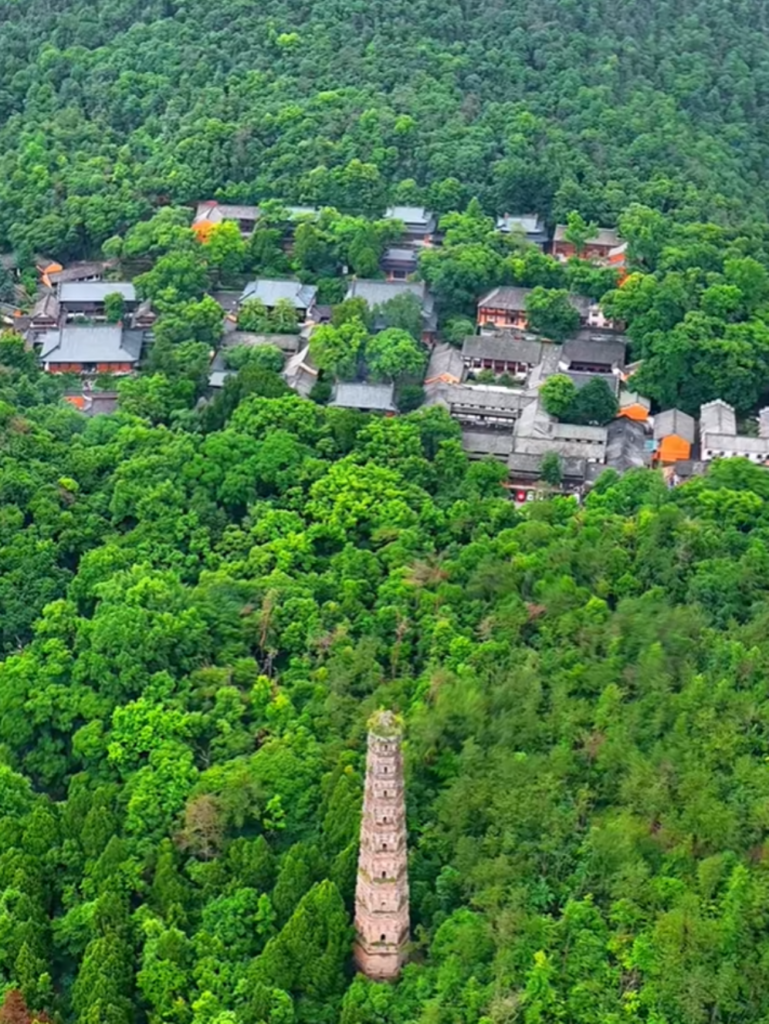
en.wikipedia.orgThe temple spans about 23,000 m² with over 600 rooms and 14 halls. It features ancient architecture, pagodas, ancient trees (including a Sui Dynasty plum tree), and a serene atmosphere surrounded by mountains and greenery. It is often visited alongside Tiantai Mountain scenic spots.
en.wikipedia.orgSuggested Tour Guide ScriptThis script is designed for a 1–2 hour guided visit. Speak calmly and respectfully, with pauses for reflection, photos, and chanting if appropriate. Emphasize quiet and mindfulness.
Introduction at the Entrance / Main Gate”Welcome to Guoqing Temple, the ‘Monastery of National Purity’ and the birthplace of Tiantai Buddhism. Built in 598 CE during the Sui Dynasty according to the last wish of Master Zhiyi (538–597 CE), this temple has over 1,400 years of history. Tiantai Buddhism, one of the first fully Chinese schools of Buddhism, emphasizes the Lotus Sutra and the ‘Three Thousand Realms in a Single Moment’ philosophy. From here, its teachings spread to Korea and Japan — Japanese monk Saichō studied here in the Tang Dynasty and founded the Tendai sect upon returning home. This makes Guoqing Temple a shared spiritual home for Buddhists across East Asia. The temple was renovated multiple times, notably in the Qing Dynasty and in the 1970s. Today, it stands as one of China’s best-preserved large ancient temples. As we enter, please maintain a quiet and respectful demeanor — turn off loud notifications, speak softly, and feel the peaceful energy of this sacred place. No meat is allowed inside.”
Main Courtyard & Architectural Layout”Guoqing Temple follows traditional Chinese Buddhist architecture with a central axis and symmetrical layout. It includes mountain gates, halls, courtyards, and side buildings. Ancient camphor trees and the famous Sui Dynasty plum tree (over 1,300 years old) provide shade and a sense of timelessness. Look around: the buildings blend Sui-Tang simplicity with later dynastic elegance. Notice the harmonious integration with the surrounding mountains — ‘the temple is built against the mountain,’ creating a natural sense of seclusion and harmony with nature.”
Key Hall 1: Heavenly Kings Hall (or Mountain Gate Area)”We start at the entrance halls, often featuring the Four Heavenly Kings who guard the Dharma. These fierce protectors symbolize the temple’s role as a spiritual sanctuary. The inscriptions and statues remind us of the temple’s imperial connections, including support from Sui emperors.”
Key Hall 2: Mahavira Hall (Main Buddha Hall / Daxiong Baodian)”This is the heart of the temple. The central statue is a Ming Dynasty bronze Sakyamuni Buddha, flanked by the Eighteen Arhats (some Yuan Dynasty nanmu carvings). In front stands a magnificent Qing Dynasty Qianlong-era bronze tripod (cauldron), a national treasure about 3.8 meters tall, inscribed with ‘Sheng Shou Wu Jiang’ (boundless longevity) and decorated with auspicious motifs. It was brought from the Palace Museum. This hall is where major ceremonies are held. Take a moment to appreciate the intricate woodwork, incense, and the profound sense of devotion.”
Key Attraction: Hall of Five Hundred Arhats (or related halls)”One of the highlights is the Hall of Five Hundred Arhats. Many original statues were recovered after historical challenges and restored with care. Each Arhat represents unique aspects of enlightenment — walking among them offers inspiration and reflection on the diversity of Buddhist paths.”
en.wikipedia.org
Other Notable Features
- Pagodas: The Sui Pagoda (one of China’s oldest brick pagodas), Seven Buddha Pagoda, and Yi Xing Memorial Pagoda honor eminent monks and add to the historical layers. en.wikipedia.org
- Free Life Pond (Fangsheng Chi): In the southwest, this pond for releasing life (a Buddhist compassion practice) features steles by Ming calligrapher Dong Qichang and an imperial inscription from Emperor Qianlong. Black carp swim here, symbolizing longevity and mercy. en.wikipedia.org
- Jigong Hall: Dedicated to the folk hero monk Jigong (Ji Gong), beloved for his compassionate and unconventional spirit.
- Ancient Trees & Plum Blossoms: The Sui plum tree blossoms beautifully in season, adding poetic beauty. Ancient camphors enhance the tranquil ambiance. us.trip.com
Cultural & Spiritual Significance (Closing Reflection)”Guoqing Temple is not just a historical site but a living center of Buddhist learning and cultural exchange. It witnessed the sinicization of Buddhism and continues to host pilgrims and visitors seeking peace. As Master Zhiyi taught, true insight comes from contemplating the interconnectedness of all things. Whether you are here for history, architecture, or inner calm, let the surroundings inspire mindfulness. Tips for Visitors:
- Best in early morning for serenity and soft light.
- Wear comfortable shoes (some steps and slopes).
- Respect photography rules (often restricted inside main halls).
- Combine with Tiantai Mountain attractions like Shiliang Waterfall for a full day.”
At the Exit”Thank you for joining this journey through 1,400 years of Buddhist heritage. May the blessings of Guoqing Temple bring you clarity and peace. Safe travels!”
Quick Visitor Info
- Entrance: Often free or low fee (check current rates; part of broader Tiantai scenic area). travelchinaguide.com
- Location: Near Tiantai County; accessible by bus from Taizhou/Hangzhou.
- Best Time: Spring (plum blossoms) or autumn; early morning.
- Duration: 1–2 hours for the temple; longer if exploring nearby mountain paths.
This script is engaging, respectful, and informative. It flows logically along a typical visitor route. Adjust pacing for your group! If pairing with Shenxianju, note both are in the Taizhou/Xianju-Tiantai area for convenient multi-day trips.